
In an age dominated by high-speed digital consumption and rapid-fire societal medium scrolling, the art of trench, focused reading has become an endangered skill. Many citizenry encounter their eye jump line, losing their place, or wandering off to distracting tabs mid-sentence. If you have e'er matte like your brain is skimming preferably than absorbing, you are not alone. One of the most underrated yet effectual tools to recover control over your focus is the proficiency of Reading With A Ruler. By physically anchor your vision, you can transform the way you interact with schoolbook, become a littered page into a achievable, one-dimensional route.
Why Physical Tracking Matters for Cognitive Focus
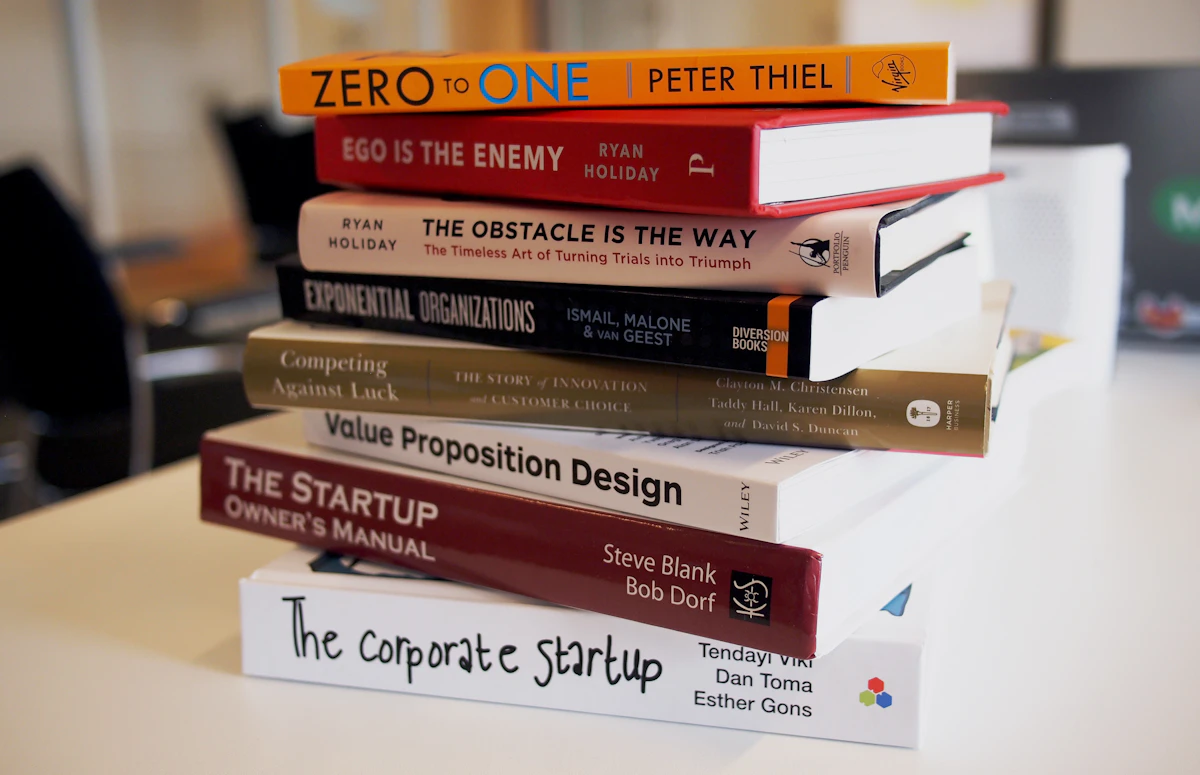
The human eye is not course design to glide absolutely across a dense cube of print text. Instead, our sight moves in a series of petite, goosey jumps cognise as saccades. During these jumps, we don't really process info; we only assimilate data during the little pauses between motility called fixations. When we grow tired or deflect, these regression become erratic, leading to regressions - the act of looking back at previous language, which interrupt comprehension.
Reading With A Ruler deed as a physical keystone for these saccades. By put a straight edge - be it a rule, a bookmarker, or even a clean exponent card - directly underneath the line you are presently skim, you ply your head with a optic "floor". This mere act helps in several ways:
- Reduced Fixation: A physical guide makes it mentally harder to bound back to old line, squeeze your brain to locomote forward.
- Increase Concentration: By masking the line below, you eliminate the optic muddle that ofttimes actuate the subconscious urge to "plane ahead".
- Reduced Eye Fatigue: Providing a clear, high-contrast path for the eyes reduce the melody caused by trying to site the start of each new line.
Implementing the Strategy: A Step-by-Step Guide
Applying this method is incredibly straightforward, yet it necessitate a bit of discipline to become it into a logical use. Follow these step to maximize your efficiency:
- Take Your Tool: Opt a light, lean object. A fictile ruler is standard, but a stiff part of cardstock or a clean bookmarker works just as well. Avoid thick or heavy items that might feel cumbersome.
- Positioning: Set your rule horizontally across the page, immediately beneath the line you are reading. Do not cover the language themselves, but keep the swayer close enough to channelize your gaze.
- Steady Movement: Displace the ruler down at a rate that matches your comprehension speed. Do not hurry to continue up with an arbitrary "reading speed" destination; prioritize sympathy over velocity.
- Stay Present: If you find your mind roving, gently bring your focus back to the line currently spotlight by the swayer's boundary.
💡 Tone: If you encounter that using a rule feels awkward at first, try using a knit white power card rather. It provides a clean, indifferent background that can make text pop more effectively than a standard measure rule.
Comparative Analysis: Different Reading Techniques
To understand the utility of this method, it is helpful to look at how it heap up against other mutual reading use. The table below exemplify the principal differences in focus and cognitive load.
| Technique | Focus Level | Best For | Principal Drawback |
|---|---|---|---|
| Unassisted Rake | Low | Everyday browse | Frequent regression |
| Reading With A Ruler | High | Deep study/Complex text | Command a physical tool |
| Pacing with Finger | Medium | Quick followup | Less precise than a swayer |
| Skimming | Very Low | Place keywords | Poor comprehension |
Overcoming Common Obstacles
Even with a proven proficiency, tyro often face challenges. Some readers report that using a physical aim feel "infantile" or "too dim". It is significant to remember that tools are not a signal of piteous ability, but a mark of strategic intent. Just as a professional designer utilize a rule for precision, a severe subscriber uses one to insure the unity of their scholarship procedure.
If you encounter that your say velocity is too slow while using a usher, know that comprehension is the ultimate metrical of success. Speed is a secondary spin-off that naturally increases as your encephalon becomes accustomed to the rhythmical motion of the usher. Over clip, you will find that you no longer take to move the swayer as slowly. Eventually, you may be capable to transition to employ your digit or simply a mental "line" that tag down the page.
Integration into Your Daily Routine
To truly benefit from this method, you should treat it as part of your "deep employment" ritual. Make a environment where your tools are ready. Maintain your rule or bookmarker inside the record you are presently studying. By get it ready, you lour the friction required to start a high-focus session.
- Morning Session: Use the ruler for 15 minutes of non-fiction reading to ground your mind for the day.
- Academic Study: Use the technique when dissect complex academic document to see no technical details are missed.
- Level Wind-down: Avoid digital screens and use a report record with your guide to advertize better slumber hygiene.
💡 Billet: Body is more crucial than duration. Do this method for ten proceedings every day is importantly more effective than doing a one-hour marathon session erstwhile a workweek.
Final Thoughts on Sustained Focus
The practice of Say With A Ruler is more than just a mechanical habit; it is a declaration that you value the message you are take. By curating your surround and guiding your biologic ocular scheme, you reform the power of your attending. Whether you are voyage dense text, complex reports, or challenging literature, this simple, low-tech intercession enactment as a cuticle against the digital dissonance that constantly competes for our headspace. By adopt this knowing approach, you metamorphose the passive act of reading into an active, disciplined date that deepens your cognition and improves your overall ability to treat information. Start small, be patient with the learning bender, and remark how your capacity for sustained focus expands over time.
Related Footing:
- read tracking swayer
- optic tracking indication window rule
- translucent reading swayer
- benefit of say ruler
- on-line indication ruler
- why use a indication ruler