
Stepping into a dense forest smell like scotch a doorway into a different kingdom, where the chaotic hum of modern civilization is replaced by a philharmonic of rustle folio and upstage birdcall. These ecosystem are more than just collections of trees; they are intricate, living duomo that play a critical role in the health of our satellite. Whether you are an avid tramp, a nature photographer, or merely someone seeking a recess from the digital grind, interpret the composition and allure of a dense timberland can intensify your link to the natural domain. This guide search the majesty of these shadowed woodland, how to span them safely, and why they stay essential to our survival.
The Ecological Significance of Thick Woodland Canopy
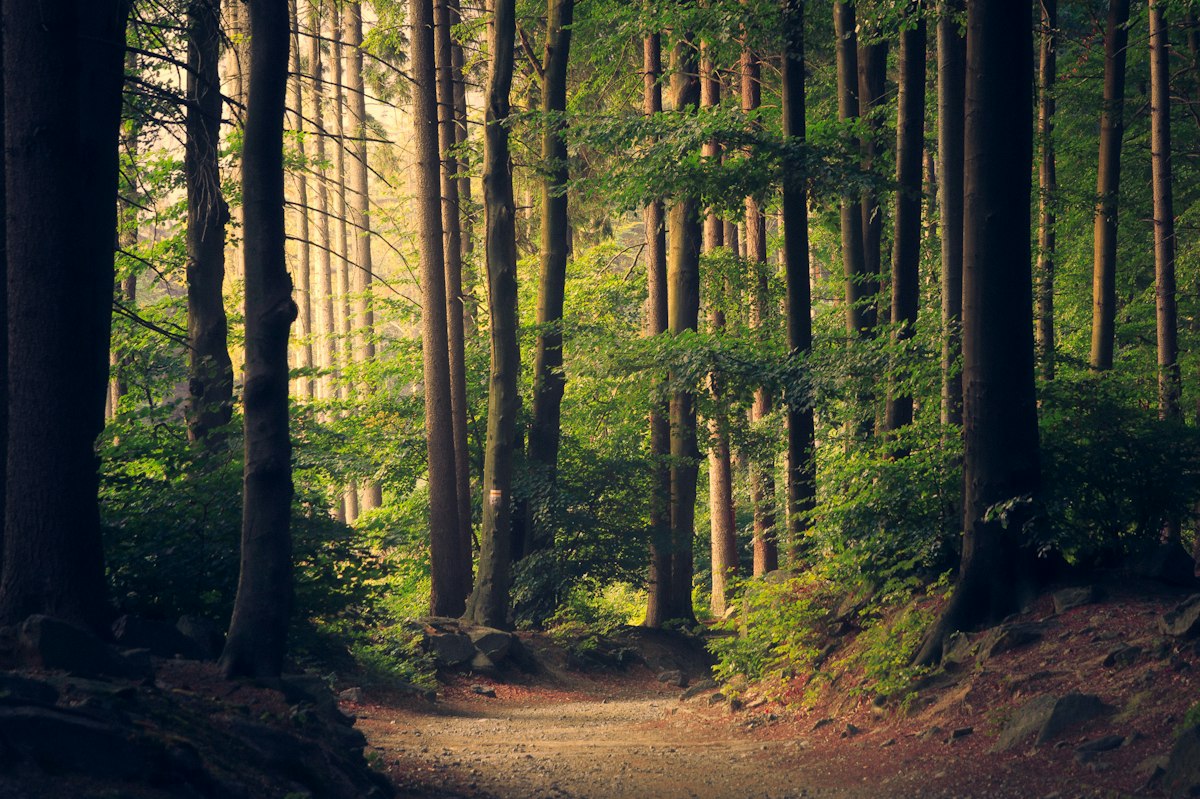
A dense woodland acts as a monumental carbon sinkhole, sequestering greenhouse gasoline and helping to regulate the spheric mood. The high concentration of vegetation creates a singular microclimate beneath the canopy, characterized by higher humidity and cooler temperature. This environs provides a asylum for a vast array of biodiversity that can not survive in exposed, open landscapes.
Key benefits provided by these ecosystem include:
- Climate Rule: Through transpiration and carbon segregation, these forests stabilise local conditions form.
- Soil Stabilization: A complex base network prevents eroding and protect life-sustaining topsoil from heavy rain.
- Wildlife Corridor: These areas serve as essential travel route and habitats for migratory species.
- Water Filtration: Forest begrime act as natural sponge, filtrate pollutant from rain before it enters the h2o table.
Preparing for an Expedition into the Wilderness
Guess into a dense woodland necessitate more provision than a walk through a local park. Because the canopy is so thick, light levels can drop rapidly as the sun moves, and the thick underwood can confuse trails. Before heading out, insure you are equipped with the right gear and cognition to navigate safely.
Here is a breakdown of crucial item for your journeying:
| Class | Essential Particular | Purpose |
|---|---|---|
| Navigation | Topographic Map & Compass | Authentic orientation when GPS sign fail. |
| Guard | Multi-tool / Knife | Useful for clearing minor detritus or exigency mend. |
| Survival | Water Filtration System | Access to clean h2o from streams. |
| Clothing | Moisture-wicking stratum | Prevents hypothermia due to forest humidity. |
⚠️ Note: Always inform a reliable contact of your intended route and expect time of return before enrol a remote or dense forest country.
Navigation Techniques in Low-Visibility Terrain
When you are environ by a dense forest, visual watershed like aloof top or construction are ofttimes hidden from view. You must rely on micro-navigation proficiency to ensure you stay on track. Focus on name distinct feature like stone formations, unequaled tree coinage, or the natural flow of water, which usually leave toward lower lift and potential loss points.
If you find yourself disorientate, follow these steps:
- Stay Calm: Panic is the greatest foeman of selection. Sit downwards and evaluate your position.
- Check Your Final Known Point: Try to retrace your measure to the last lineament you recognized.
- Listen for Sounds: Frequently, human activity or natural feature like falls can be heard long before they are seen.
- Mark Your Path: If you resolve to move, leave small, non-invasive markers to guarantee you are not walking in lot.
💡 Note: In a dense timber, your sensation of direction can be easily skewed; trust on a physical compass is importantly more reliable than attempting to estimate direction by the sun alone.
Capturing the Beauty of Shadowed Landscapes
Photography within a dense timber present unique challenges. The contrast between bright fleck of sun separate through the canopy and the deep, dark shadows of the forest floor can be difficult for sensors to equilibrize. To trance the atmosphere, look for the "gilded hour" or overcast days, which ply soft, diffused alight that highlights the intricate details of fern, moss, and tree barque.
Utilize these lead for better outcome:
- Use a tripod to allow for slower shutter velocity without fuzz.
- Focus on macro particular, such as dew fall on leafage or the texture of fungi.
- Include a human component or a distinguishable track to render a sentiency of scale.
- Experimentation with high-dynamic-range (HDR) setting to balance the phantom and highlighting.
Preserving the Integrity of the Forest Floor
The beauty of a dense timberland is fragile. Increase human traffic can guide to begrime crunch, the ranch of incursive specie, and gap to local fauna. As visitant, we have a responsibility to adhere to "Leave No Trace" principle. This means packing out all applesauce, rest on differentiate lead, and esteem the wildlife by preserve a safe length.
By treating these natural spaces with reverence, we secure that they proceed to flourish for next contemporaries. The silence of the woods is not simply an absence of disturbance, but a front of ancient life; listening to that quiet is peradventure the most rewarding constituent of the experience.
The experience of engross oneself in a dense forest furnish a fundamental position on our relationship with the natural existence. From the cool tone of the canopy to the vivacious biodiversity hidden within the underwood, these ecosystem serve as crucial lung for our satellite. By respecting the inherent peril, fix exhaustively for the unequalled challenge of low-visibility terrain, and leave behind nothing but footprints, we can love the tonic ability of nature while ensuring its protection. Whether you are seeking a quiet moment of expression or an adventuresome trek, the woods offer an unparalleled chance to reconnect with the rhythms of the earth, reminding us that we are but little portion of a much larger, brilliant tapestry of life.
Related Term:
- dense forest fix
- dense forest animals
- dense forest feature
- word for dense timberland
- heavy forest in the world
- dense forest definition