
Value in art is perhaps the most profound edifice cube of visual makeup, often more critical than color itself. When we look at a masterpiece, our optic are course draw to the interplay of light and apparition, which defines form, depth, and volume. Interpret Art Exemplar Of Value is all-important for any artist, whether you are a beginner picking up a pencil for the 1st time or an experient painter refining your chiaroscuro technique. By dominate the range from deepest black to brightest white, you can create the semblance of three-dimensional infinite on a categorical surface, transforming a simple sketch into a vibrant, inhabit view.
Defining Value in Visual Art
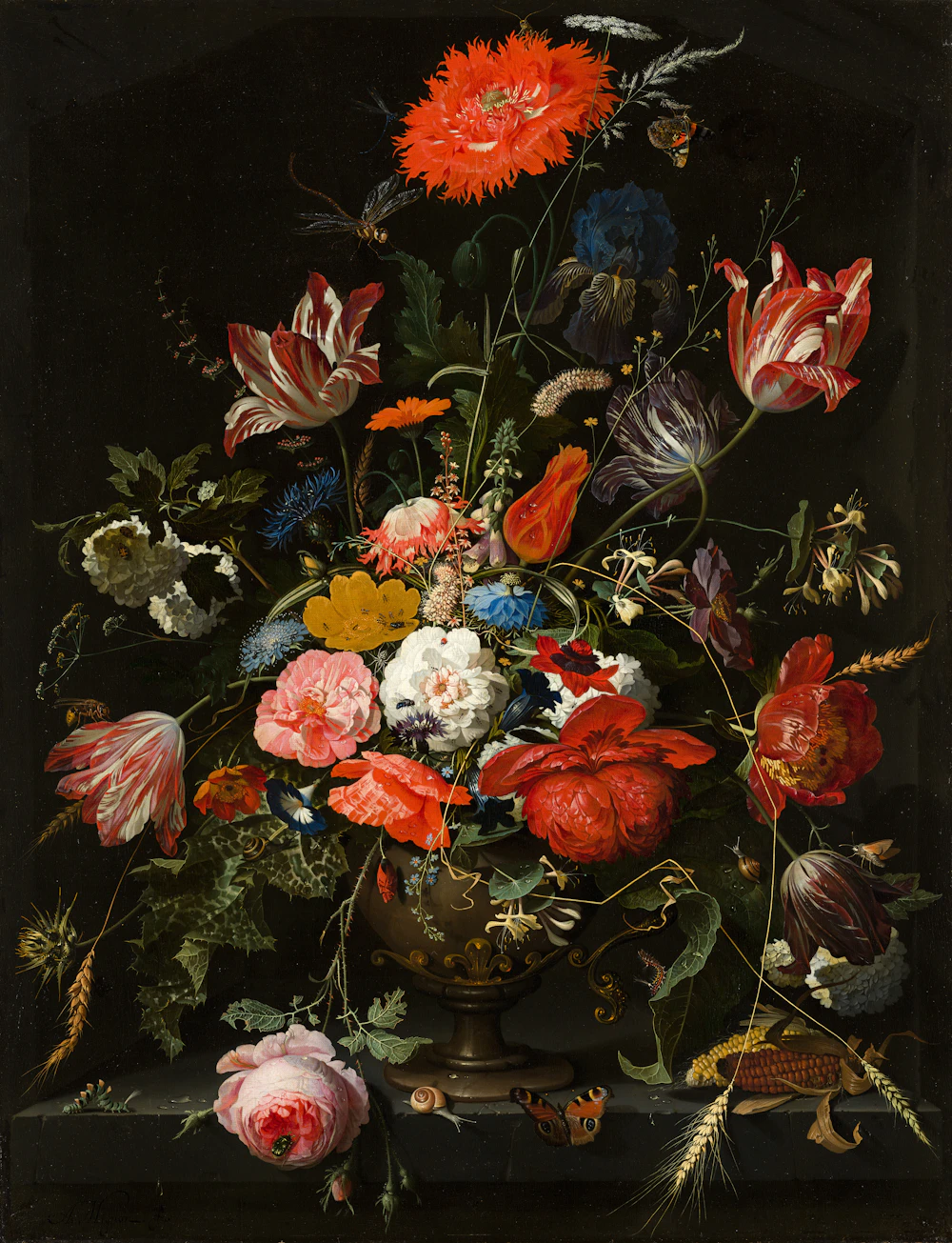
Value refers to the relative lightness or darkness of a coloration or quality. In a monochromatic employment, value is the main driver of the persona, but it remains equally lively in full-color picture. Without a well-planned value construction, a painting can look categorical, miry, or confusing to the looker. When studying Art Examples Of Value, you begin to detect that successful artist do not simply copy what they see; they manipulate light to channelize the watcher's eye exactly where they want it to go.
Consider the core components of a value scale:
- Highlights: The area where the light source strike the object most instantly.
- Midtones: The true local color of the object, unaffected by acute light or deep shadow.
- Nucleus Apparition: The darkest country on the target itself, happen where the light can no longer hit.
- Reflected Light: Subtle illume that bounces off surrounding surfaces rearwards onto the shadowed side of the object.
- Cast Shadow: The darkest area of the composing, created where the objective cube illuminate from strike the background.
The Role of Chiaroscuro
The condition "chiaroscuro" - derived from the Italian language for "light" and "shadow" - describes a proficiency that use potent contrast between light-colored and dark to model three-dimensional forms. Classic Art Examples Of Value, particularly from the Baroque period, rely heavily on this method. Think of the works of Caravaggio or Rembrandt; they used value not just for truth, but for eminent drama. By plunge much of the canvas into near-total iniquity, they squeeze the viewer to center altogether on the illuminated flesh, creating a sensation of psychological weight and emotional volume.
If you desire to achieve this level of impact in your own employment, view the postdate benefits of using strong value contrasts:
| Benefit | Result |
|---|---|
| Focal Point Creation | Directs viewer tending to the most important element. |
| Spatial Depth | Creates the semblance of length through atmospheric perspective. |
| Volume Definition | Makes two-dimensional build appear rounded and solid. |
| Mood Setting | Establishes the emotional tone of the artwork (e.g., somber, joyful, occult). |
💡 Billet: When design your value, try squint at your subject. This blurs the item and allows you to see the big shapes of light and dark more intelligibly without the distraction of colour or texture.
Achieving Successful Value Transitions

Learning how to transition between value swimmingly is what separates a initiate from a master. Many beginners struggle with "value suppression," where the entire picture exists just in the midtone range, leave in a dull, greyish look. To forefend this, you must promote your scope. Ensure your highlight are truly smart and your darkest shadows are deep plenty to provide line. Analyzing Art Example Of Value in black and white photography is an first-class way to recitation, as it removes the distraction of colouration, allowing you to concentrate strictly on the relationship between dark and light-colored tones.
Follow these measure to ameliorate your value application:
- Plan with a value map: Before depart your final part, create a small thumbnail sketch using only three values (black, white, and one grey). This forces you to create decisive choices about composition.
- Employment from dark to light or mid to ends: Prefer a method that act for your medium. Watercolorist oftentimes work light to dark, while oil painters may part with a mid-tone lavation and carve out the lights and darks.
- Use a value chequer: Continue a card with a print 1-to-9 value scale nearby to liken your apoplexy against real-world value.
💡 Line: Always maintain your dark darks and light-colored light in substitute. If you use your utter white or deepest black too early, you lose the ability to make wallop in your terminal highlighting or fantasm.
Analyzing Value in Historical Masterpieces
When you appear at history's superlative painters, you see a reproducible mastery of value. Leonardo da Vinci's sfumato technique is the ultimate representative of soft value passage, where edges are blur into fantasm to make a sensation of whodunit. conversely, the high-contrast woodcut of Albrecht Dürer demonstrate how elementary, clean lines can make value through hatching and crisscross -hatching. By studying these Art Example Of Value, you discover that there is no "individual" way to address light; rather, it is a instrument that should be adapted to the specific atmosphere you wish to limn.
Modern artist also use value in ways that dispute traditional conventions. In impressionism, value is oftentimes broken down into fragmented, vibrant touch of colouration, while contemporary digital artists frequently use layer go way to fudge value with surgical precision. Despite these differences, the inherent formula continue the same: the relationship between a shape and its surround is delineate only by the value contrast between them.
Practical Tips for Better Compositions
If you find that your artwork feels "off," the topic is near certainly the value. Try these techniques to trouble-shoot your employment:
- The Squint Test: As mentioned originally, squinch is the better symptomatic creature for identify a washy value construction.
- Flip your canvass: Consider your employment upside down or through a mirror help you see the persona as an abstract accumulation of shapes and values rather than a icon of an objective.
- Photography filter: Take a photo of your work and convert it to black and white on your phone. This instantly expose if your values are too alike or disconnected.
Every piece of art you create is an opportunity to pattern these principle. Whether you are force a portrait, a landscape, or an abstractionist bod, remember that the "weight" of the picture is shape by how you distribute light-colored. By consciously mention Art Representative Of Value in the cosmos around you and in the employment of masters, you will develop an eye that instinctively knows how to balance a make-up. Mastery is a operation of refine these observations, taking the clip to see the subtle greys between the extremum, and understanding that even the small shift in timber can change the story of your employment whole. Reproducible pattern with these techniques will finally let you to establish form with authority, check your art becharm the depth and drama necessary to engage and displace your hearing.
Related Damage:
- famous picture of value
- example of value in art
- picture of value art
- valuable painting examples
- value visual factor of art
- examples of value elements art